


Meditation tips for overthinkers are meant for people who feel trapped inside constant thoughts. These tips help beginners understand meditation in a practical and calm way without pressure.
This blog explains how to quiet your mind, mindfulness practice for busy people, guided meditation for beginners, and simple steps to calm your thoughts naturally in daily life.
Must Read: Learn 7 Simple Stress Relief Techniques to Try at Home
The following list will help you with the top five meditation tips for overthinkers:
Meditation isn’t about shutting thoughts off. For overthinkers, the goal is to notice thoughts without chasing them. Let them come and go, like background noise.
When the mind starts spiraling, gently bring attention back to the breath. Even counting inhales and exhales can help interrupt overthinking loops.
Long sessions can feel overwhelming. Begin with just 3–5 minutes. Consistency matters more than duration, especially for busy, active minds.
Overthinkers often judge themselves for thinking too much. Instead, label thoughts neutrally—planning, worrying, remembering—and return to the present moment.
Guided meditations or body scans give the mind something to focus on, making them especially effective for people who struggle with constant mental chatter.
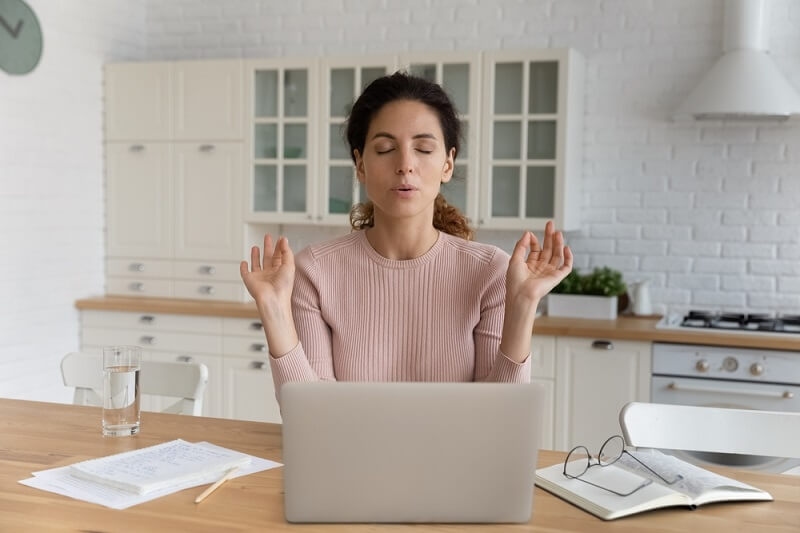
Meditation creates a pause between thoughts and reactions. This pause helps people respond calmly instead of reacting quickly.
Slow breathing will help you focus better naturally because it allows the body to relax without effort. Mindfulness practice for busy people works best with short sessions. Long practices are not required to see benefits.
Even five minutes of calm breathing can help. The mind slowly learns how to rest without forcing silence. With regular practice, stress feels easier to manage. The mind becomes less crowded and more stable.
Starting meditation should feel simple and realistic. These steps help overthinkers begin without stress or fear.
Begin with three to five minutes each day. Short sessions reduce resistance and mental pressure. This approach works well for mindfulness practice for busy people who struggle with time.
Sit on a chair, bed, or floor based on your comfort. Physical comfort reduces distractions during meditation. A relaxed body helps the mind settle naturally.
Notice breathing without changing its rhythm. Focusing on your breathing helps you to calm your thoughts naturally. When these thoughts appear, they gently return focus to breathing.
You can start small as a beginner to build your confidence slowly. However, it is also essential for you to find comfort in order to practice in the long term.
Learning how to quiet your mind does not mean stopping thoughts. It means allowing thoughts to come and go without reaction. When a thought appears, you will be able to notice it calmly. There is no need to judge or push it away.
After noticing the thought, return attention to breathing. This gentle return trains focus naturally. Forcing silence increases frustration. Thus, you should allow your thoughts to reduce your tension over time.
When you practice this regularly, your thoughts will lose strength. This will make your mind feel calmer without effort or pressure.
Lack of time often stops beginners from meditating. Therefore, you should do the following practices:
Sit quietly for five minutes after waking up. Focus on slow breathing before starting the day. This practice helps reduce mental noise early.
Close your eyes and breathe slowly for two minutes. This can be done during breaks or between tasks. It helps calm your thoughts naturally during busy days.
Sit quietly before you sleep and observe your thoughts. You do not have to judge or analyze them. Doing this will help the mind to relax before you rest.
Following a flexible routine will help you to remain consistent. These short moments of awareness can also create a sense of calmness in the long term.
Guided meditation for beginners provides clear direction. A calm voice guides breathing and attention step by step. This structure reduces confusion during early practice. Beginners feel supported instead of unsure.
Guided meditation for beginners also builds confidence. It removes the fear of doing meditation incorrectly. Listening to guidance helps maintain focus. The mind feels less likely to wander too far.
With time, beginners can feel more comfortable, as many later prefer quiet meditation sessions.
Calming thoughts do not require strong effort. Therefore, you can follow the below gentle methods to calm your thoughts naturally:
Slowly notice sensations from head to feet. Pay attention without reacting or judging. This practice grounds attention and helps calm your thoughts naturally.
Count each inhale and exhale up to ten, before you start again, if the attention drifts. This simple rhythm supports how to quiet your mind.
You should label the thoughts as planning or remembering. Make sure that you avoid emotional attachment to thoughts. It will reduce your mental tension gently.
The common mistakes that beginners make are listed below:
Many beginners believe meditation means stopping all thoughts. When thoughts appear, they feel they are doing it wrong. This expectation creates pressure and leads to frustration early.
Sitting for too long at the beginning feels uncomfortable. Long sessions increase restlessness and mental resistance. The short and steady practice works better for beginners.
Missing sessions due to lack of time breaks consistency. Mindfulness practice for busy people works best with small daily efforts. Even a few minutes of practice can help you to maintain the routine.
Top Pick: Natural Ways to Sleep Better Without Using Medication
Meditation tips for overthinkers focus on patience and simplicity. Short daily practices, gentle breathing, and steady routines help reduce mental noise. With time, mindfulness practice for busy people becomes natural. Meditation supports clarity without forcing silence, helping calm your thoughts naturally through awareness.
Yes. Meditation teaches awareness instead of control.
Three to ten minutes is enough every day.
Yes. It provides structure and confidence.
You should focus on breathing and observation.
The small changes will appear within weeks.
This content was created by AI